Writing Casino Bạc Liêu into Fiction and Screen Stories
Writing Casino Bạc Liêu into fiction can sharpen a scene’s point of view and dramatic tension without relying on generic casino imagery or invented venue details.
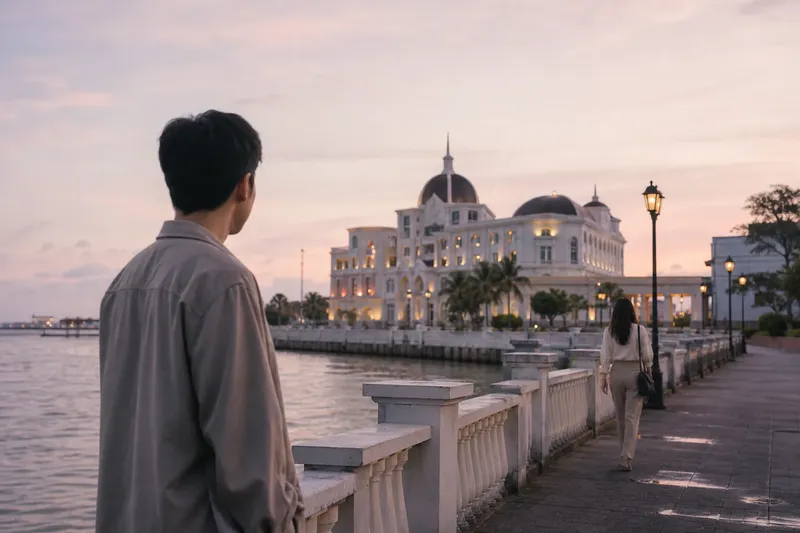
Writing Casino Bạc Liêu into fiction works best when the place changes what a character can see, say or choose. Give the setting a dramatic job—such as making a reunion awkward or a departure public—and the scene gains purpose without leaning on generic casino imagery.
What dramatic work can Casino Bạc Liêu do?
Choose one function for the location before drafting. It might put two characters in the same place, give one a reason to delay a difficult conversation, or make a private decision visible to someone else.
Then build the scene around that function. If the location could be replaced by any room without changing the characters’ choices, focus on what the named setting means to them: perhaps one character chose it, another objects to being seen there, or both remember an earlier meeting.
How can point of view shape the scene?
Let the viewpoint character notice details that matter to their immediate goal. A character trying to leave may track the other person’s position and the route out; someone hoping to reconnect may watch for a familiar face.
Keep those perceptions personal. A character’s unease, confidence or assumptions describe that character, not the venue or everyone associated with it. This distinction gives the writer room for vivid emotion without turning an individual reaction into a claim about a place.
How can film and games use the setting differently?
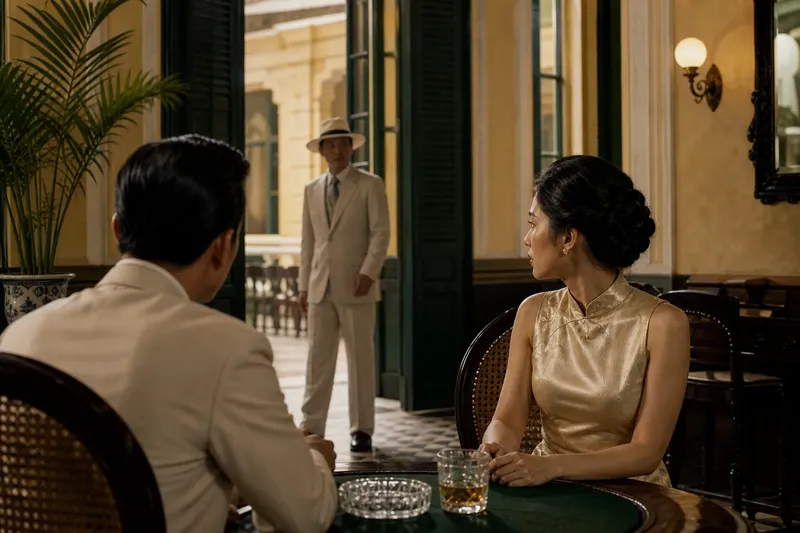
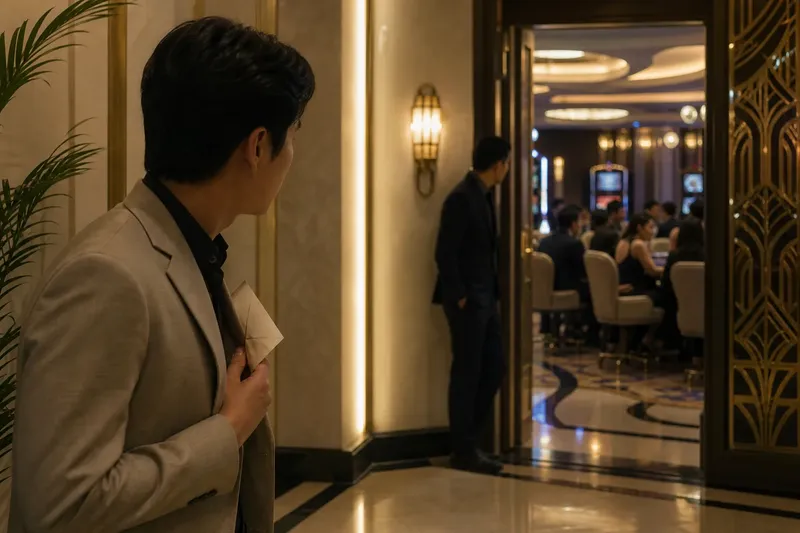
Film can place meaning in framing, sound and movement. A character who pauses at a threshold before entering can communicate reluctance, while a cut to the person waiting inside can shift the scene’s tension without a line of explanation.
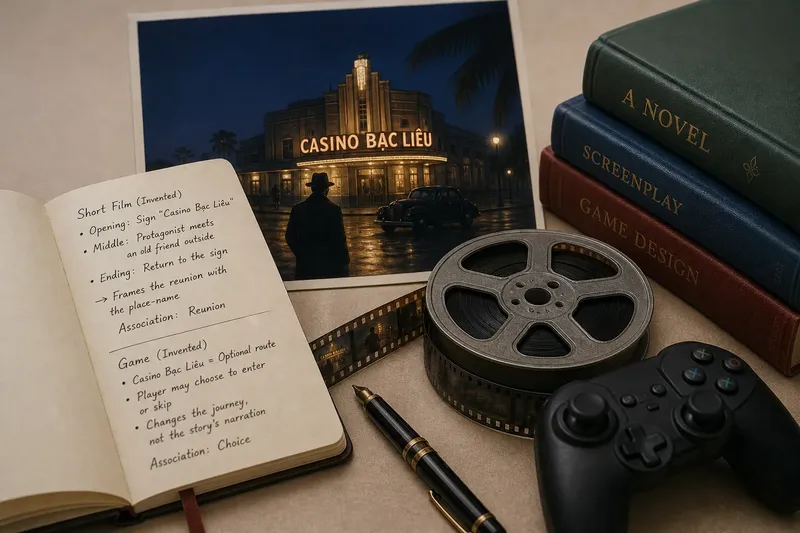
A game can make the location matter through choices rather than rewards. Offer the player a chance to speak, observe or leave, then let the next scene reflect that decision; the venue becomes part of the character’s social predicament, not merely a backdrop for a loop of prizes.
What should you decide before sharing a scene?
- If the scene depends on a named venue detail, check whether you have a dependable basis for it; if you do, retain it with clear context, and if you do not, remove it or make the detail openly invented.
- If a character’s action is presented as typical of local people, ask whether the story supports that claim; if it does not, recast the action as that character’s individual choice.
- If the location could be replaced without changing the scene, identify a specific reason the character is there; if no reason affects the action, use a fictional setting instead.
- If a film image or game mechanic could be mistaken for a real practice, check the implication; if you cannot support it, frame it as a creative choice or change it.
- If local residents appear only as an anonymous crowd, give any relevant character a distinct purpose; if the crowd has no effect on the scene, cut it.
- If an invented event could be mistaken for a report of an actual incident, signal its fictional status in the surrounding work; if that remains ambiguous, change the identifying details.
What do writers ask about Casino Bạc Liêu?
Can Casino Bạc Liêu appear in a fictional story?
A writer may use a named place as a fictional setting, but should keep invented events distinct from factual claims about it. If a portrayal raises a serious concern about identifiable people or organisations, seek qualified legal advice.
Should a scene include gaming rules or services?
Use those details only if they affect the action and you can establish a dependable basis for them. Otherwise, keep the action general or make the venue fictional.
How can a story avoid turning a place into a stereotype?
Give characters separate motives and let the setting emerge through details relevant to their choices. If a cultural reference carries significant weight, ask a knowledgeable reader to review it.
What if a scene draws on a real account?
Separate the account’s details from your invented material, and avoid treating one person’s experience as representative of everyone. If the source is sensitive or unclear, leave out identifying details or seek appropriate professional advice.
How can a worked scene keep invention clear?
Imagine a screenwriter wants two former colleagues to meet near Casino Bạc Liêu but has no dependable information about the venue’s interior. The writer keeps the starting details to the named location and the planned reunion, checks the place name against a reliable source, and chooses an unnamed, invented meeting area rather than describing a room as though it were real. The writer then has one colleague spot the other and leave before speaking. The observable result is a scene whose tension comes from the choice to avoid the conversation; the decision rule is simple: retain only setting details the writer can support, and present the meeting and action as fiction.
Writing Casino Bạc Liêu into fiction is most effective when the place serves the characters’ choices rather than carrying the whole scene by itself. Before sharing the work, read the scene once for the character’s immediate goal and once for details a reader might mistake for factual reporting; revise whichever obscures that distinction.